


Buy Wholesale Tea online from UK Wholesale Tea Supplier
Are you thinking of adding speciality teas to your menu? Do you love the concept of loose leaf tea? Or would plastic-free, pyramid tea bags be better for you? As a wholesale tea supplier, we have over 400 high-quality teas for you to enjoy, serve, sell, or order bulk tea supplies.
No minimum order
UK* next-day delivery
Orders over £75 shipped free
Easy online ordering

We supply wholesale loose leaf tea to customers you may know:


Be Known For Great Tea
At Jenier Wholesale Tea Suppliers UK, we know how important high-quality tea is to your business. As an established wholesale tea company, we have all the teas you need at wholesale prices to offer your guests a great selection and tea experience, so you can be sure they'll return for more!
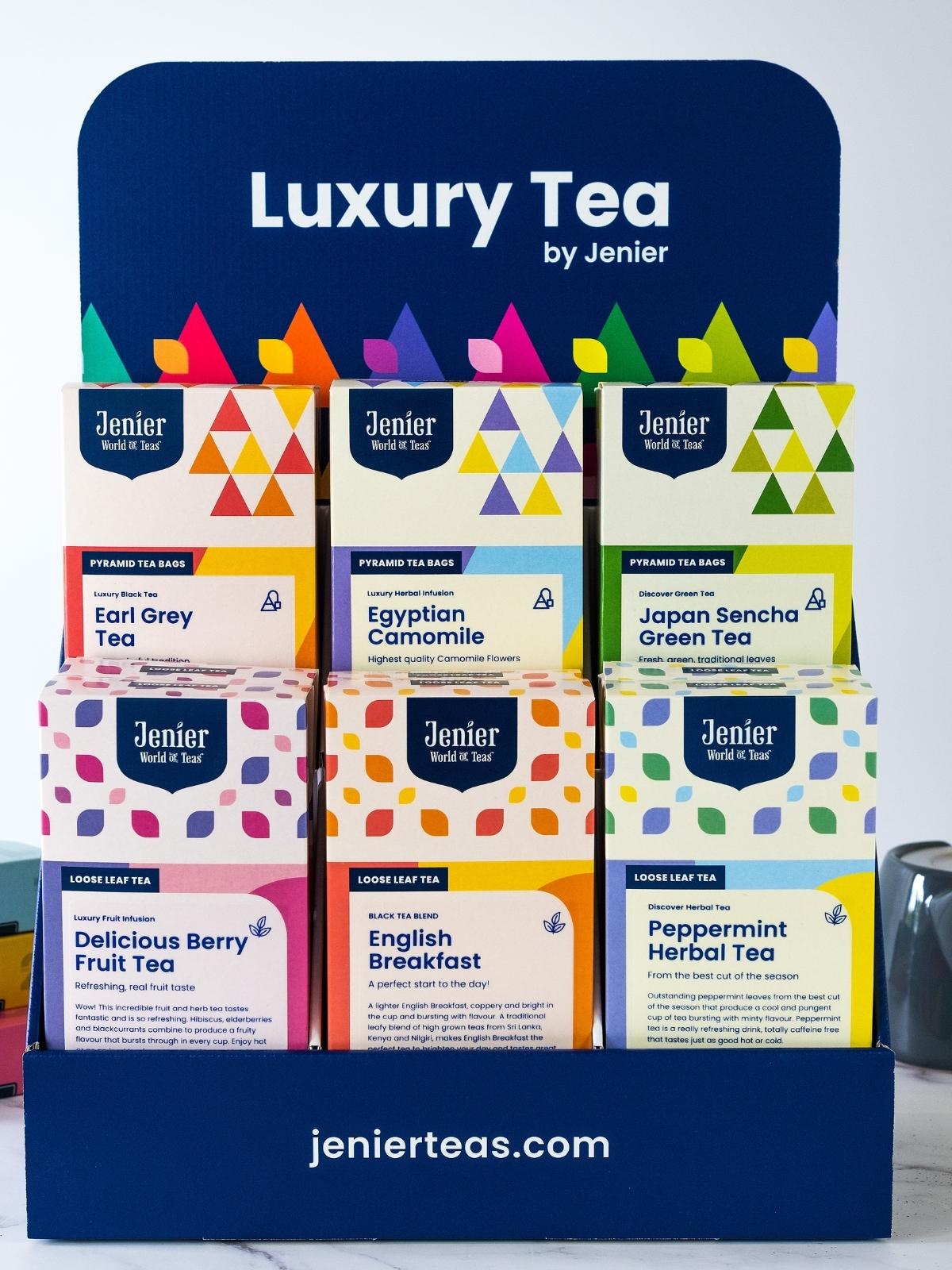
We focus on wholesale loose leaf tea and have more than 400 high-end teas. We also sell quality leaf teas in biodegradable pyramid tea bags, standard teapot tea bags, or individually wrapped tea bags, as well as room display stands.
We are happy to help you find the best teas for your food service or tea business by giving you tea advice. We know how important it is to try teas before you buy them. When you sign up for a trade account, we give you £5 to spend online for free tea samples.
Tea training is essential, so we made a place where you can find information and tea training guides and learn more about tea at our Tea Hub.
Of course, we're here and happy to discuss your tea needs anytime. We'll work with you to understand how your business serves tea and your needs so we can help you find the best tea option.
Explore The Best Teas To Serve
Best Selling Wholesale Loose Leaf Teas
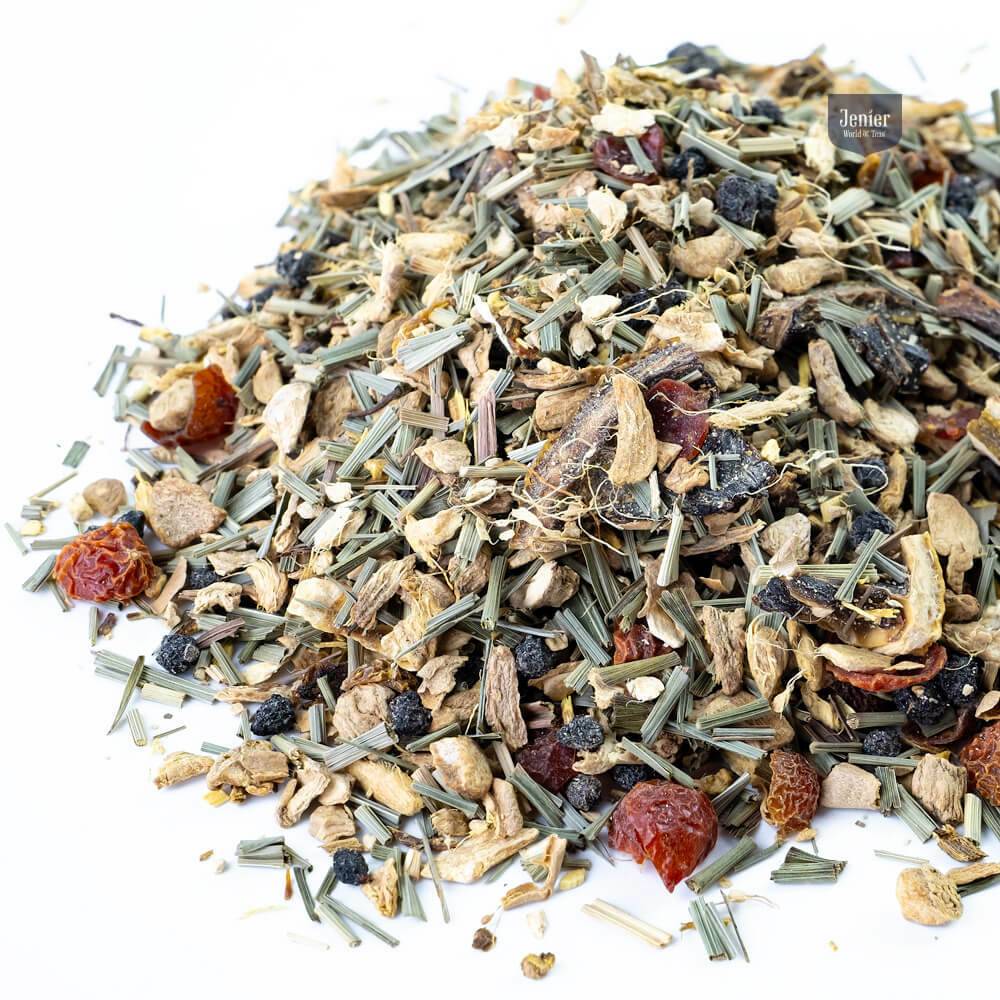
We refer to different teas as tea types. Each tea type, from black to herbal teas, has its best sellers. If you'd like to serve or sell loose-leaf teas, it's sometimes difficult to know where to start. Jenier is a specialist wholesale tea supplier with years of experience and has created a best-selling loose-leaf tea category for you as a great place to start when first choosing teas for your business.
View Best Selling Loose Leaf teas.
If you're looking for a small range of teas to get you started, why not check out our food service
Wholesale Tea Starter Pack - Time For Tea!
Each pack has six teas, labelled UV-coated Kiln Clip display jars, measuring spoons, T-filters and tea information guides. You can choose whether you'd like loose-leaf or biodegradable pyramid tea bags. What's more, you save 20% off the standard wholesale price!
Best Selling Biodegradable Pyramid Tea Bags
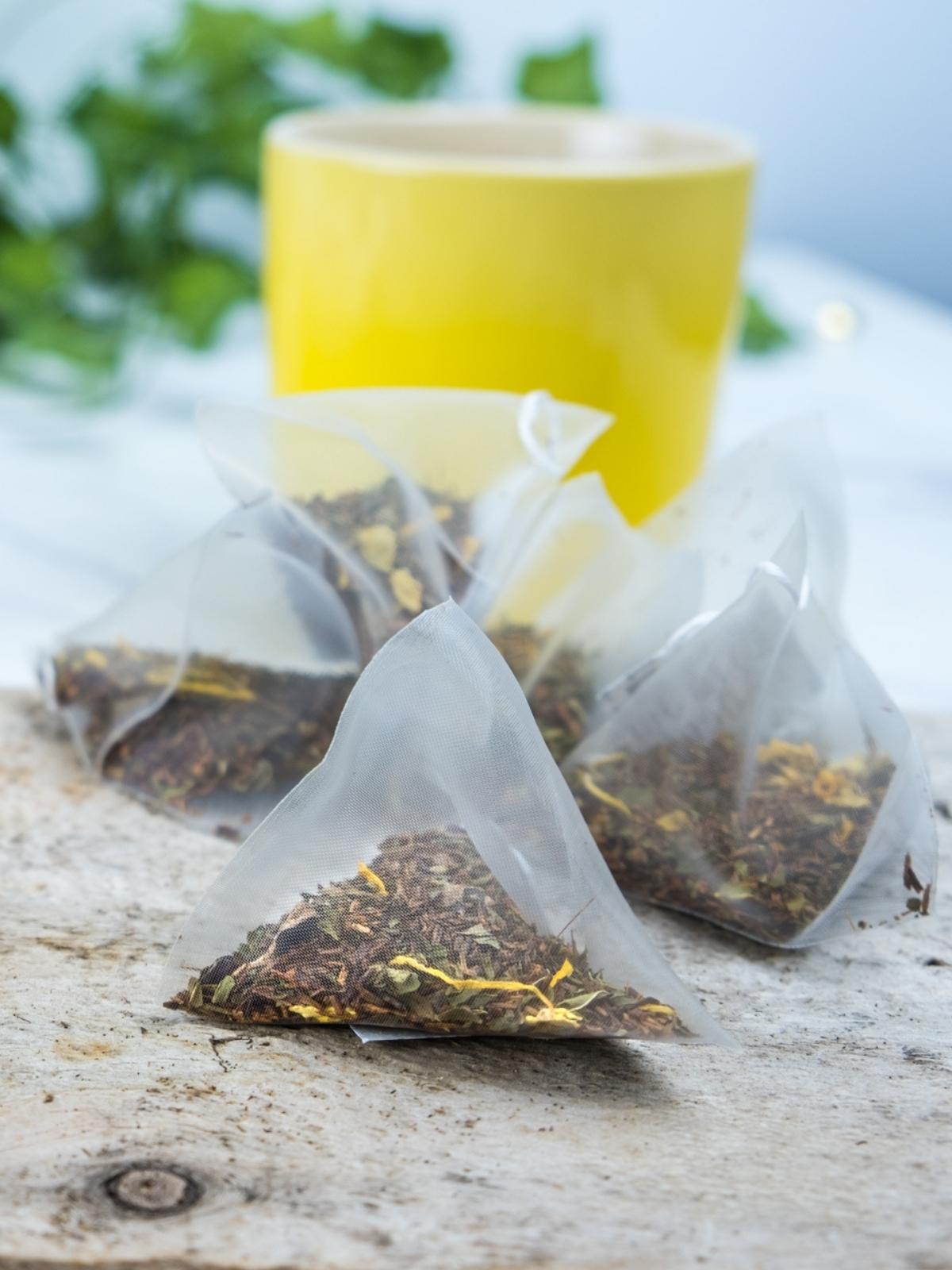
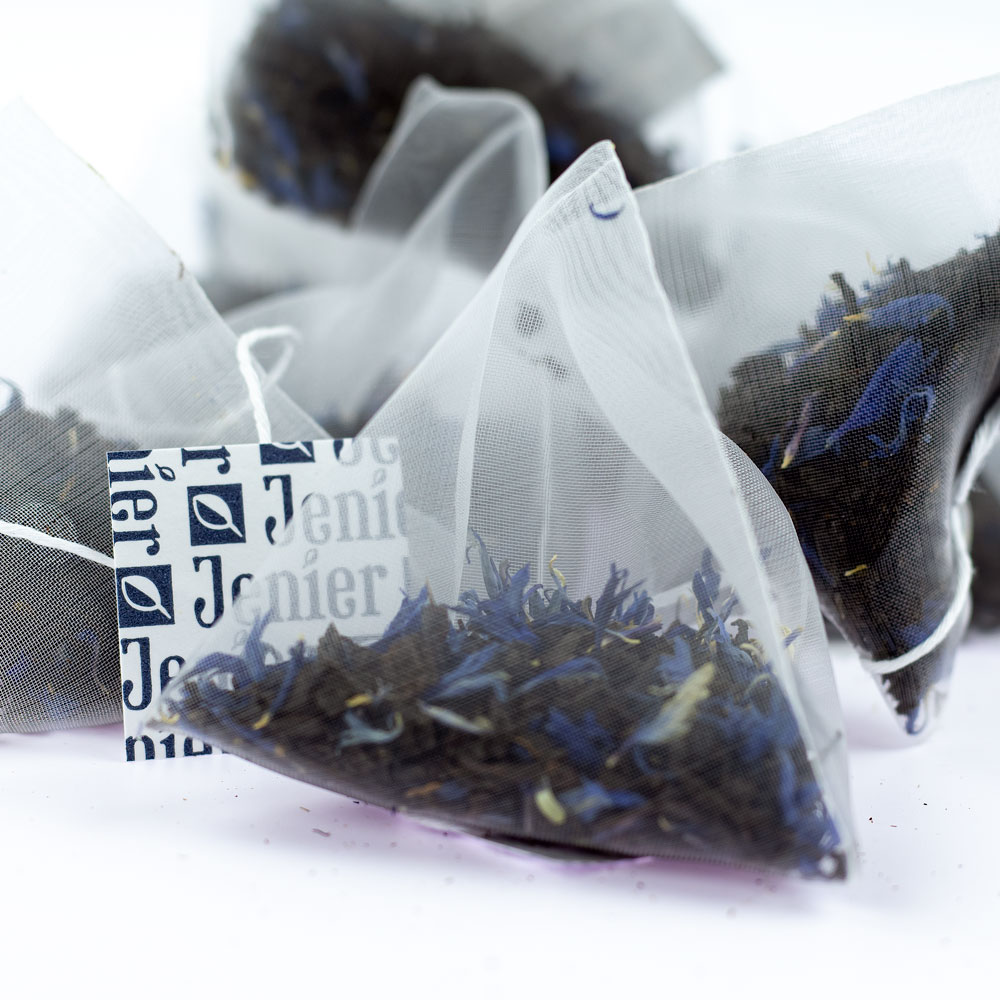
Loose-leaf tea is becoming more common, but biodegradable tea bags in the shape of a pyramid are also in demand. Tea bags changed how people drink tea, but the pyramid tea bag took it to a new level. We can keep the taste of great tea by putting the same high-quality loose-leaf tea in the pyramid tea bag. When making tea with a pyramid tea bag, it's best to use a cup instead of a teapot. This way, you can see the tea leaves unfurl and let their flavour and colour into the cup.
The tea bags make it easy to serve leaf tea, and they are good for the earth because they are not made of plastic and can be composted or broken down over time.
We have over fifty teas available in pyramid tea bags. As with loose-leaf tea, we have several best-selling tea bags grouped for you to give some guidance.
View Best Selling Pyramid Tea Bags
We also have wholesale starting packs of Jenier's best-selling loose-leaf teas and biodegradable pyramid tea bags. Each pack has six teas and a bright Jenier stand to show them off. You also save 20% off the standard price!
View Jenier Loose Leaf Retail Starter Pack
View Jenier Pyramid Tea Bag Retail Starter Pack
Open A Trade Account and Receive £5 To Spend On Samples Or Products Today!
At Jenier, we know how important it is to try different teas, so we encourage you to order samples before you buy a lot of tea.
So, when you open a trade account with us, we give you £5 to spend online for samples or any tea product.

Any Questions?
If you have any inquiries or would like to have a tea chat, please call us at 0800 048 9930 anytime between Monday and Friday, from 09:00hrs to 17:30 hrs. We are always delighted to assist you.